The Hidden Heart Risk of City Noise: What New Yorkers Need to Know
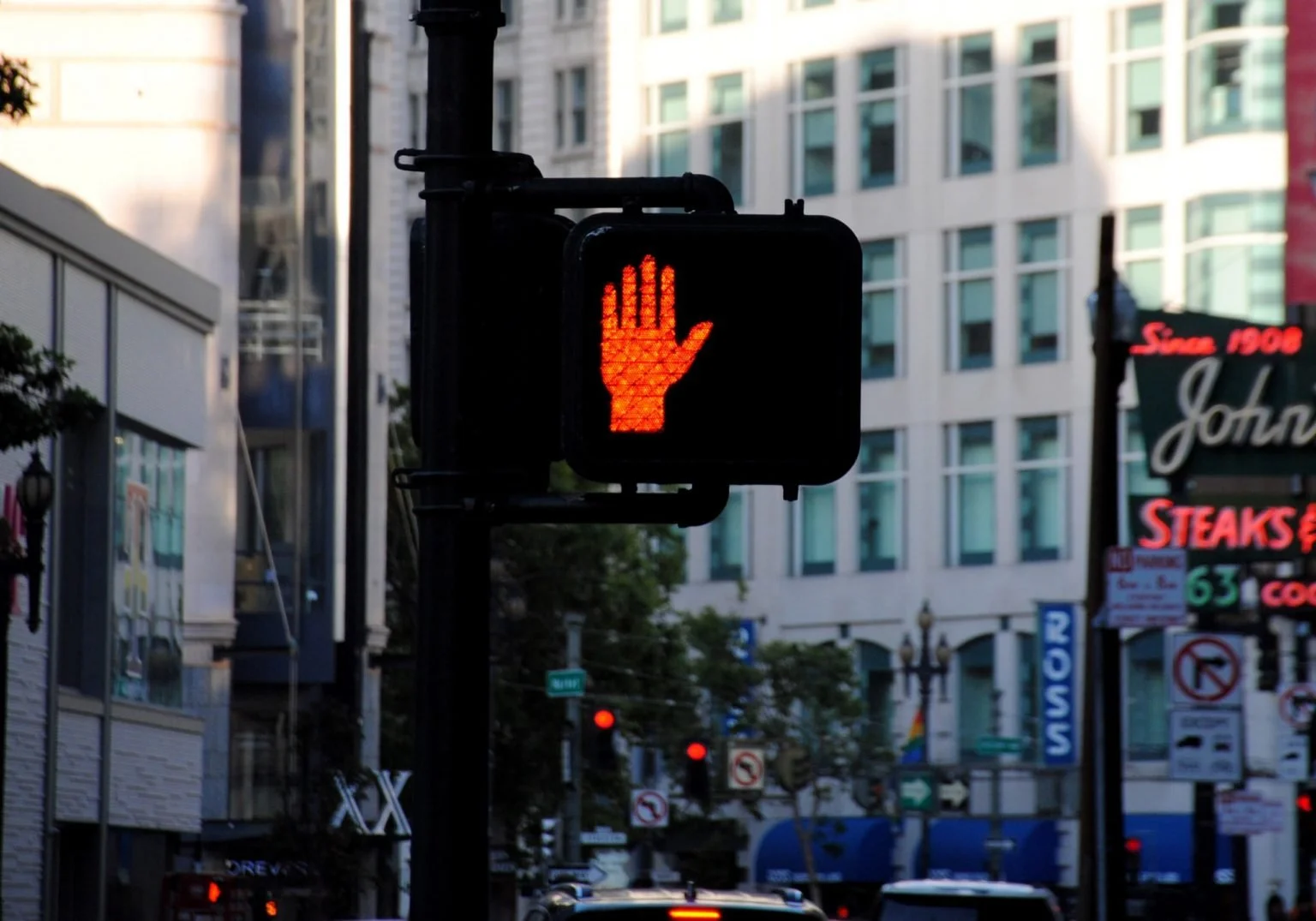
Adobe Stock License
If you live in New York City, noise is just part of the deal. Sirens at 2 a.m., garbage trucks before dawn, the constant rumble of traffic on the avenues, the FDR humming outside your window, planes climbing out of LaGuardia, the 4 train shaking your kitchen cabinets. Most of my patients tell me they have learned to tune it out. They sleep through it. They do not even notice it anymore.
The problem, as a growing pile of research now makes clear, is that your cardiovascular system never tunes it out. Your ears may stop registering the noise consciously, but your blood vessels, your heart rate, your stress hormones, and your sleep architecture are paying attention all night long. And over years and decades, that quiet biological toll appears to add up to a real increase in heart attacks, strokes, and cardiovascular death.
A study presented at the American College of Cardiology's 2026 Annual Scientific Session puts a number on it that I think every urban patient should hear.
Bespoke Concierge Medical Care
Madison Avenue Concierge Medicine
Are the New Findings Sound?
Researchers at Houston Methodist Hospital looked at the health records of more than 1.2 million adults across the Houston area between 2016 and 2023. Using the U.S. Department of Transportation's National Transportation Noise Map, they matched each person's home address to the level of road, rail, and aircraft noise that washed over their property.
People living in the loudest areas, defined as exposure of 55 decibels or higher, were 17 percent more likely to suffer a major adverse cardiac event compared with those living in quiet areas under 45 decibels. A major adverse cardiac event in this study meant death from any cause, a heart attack, a stroke, or a coronary procedure to open a blocked artery.
Here is the part that gets my attention as a cardiologist. Fifty-five decibels is not the sound of a jackhammer or a Harley-Davidson going by your bedroom window. It is roughly the volume of a normal conversation or background music. It is not loud enough to damage your hearing. It is loud enough, apparently, to damage your heart.
When the team broke the data down by noise source, road noise carried the strongest overall link to cardiac risk. But there was a twist. Each 10-decibel jump in rail noise was tied to a 14 percent increase in cardiac risk, compared with just 3 percent for the same jump in road noise. Train noise tends to be loud, sudden, and intermittent, especially at night, and that pattern of unpredictable bursts appears to be particularly disruptive to the body.
These results held up even after the researchers adjusted for the usual cardiovascular risk factors and for fine particle air pollution, social vulnerability, and insurance status.
Is This the First Warning Sign?
The Houston study is the latest entry in what has become a remarkably consistent body of evidence. A 2024 umbrella review published in the journal Atherosclerosis pooled together prior research and found that for every 10-decibel increase in road traffic noise, the risk of ischemic heart disease rose by about 4 percent, the risk of stroke by 5 percent, and the risk of heart failure by 4 percent.
The World Health Organization has estimated that environmental noise costs Western Europe more than 1.6 million healthy life years every year, with cardiovascular disease accounting for a substantial portion of that toll. Reviews in the Journal of the American College of Cardiology and Circulation Research have come to similar conclusions: noise is no longer a fringe topic in environmental cardiology. It is becoming a recognized, modifiable cardiovascular risk factor.
Get The Meyer Nutrition Plan
As part of our concierge membership, patients have access to nutritional services which actively promote mind-body work. The Meyer Nutrition Program is an integrative method that incorporates stress reduction, exercise recommendations, and individualized nutrition strategies that work with your lifestyle to most effectively and comprehensively support your health goals and improve your quality of life.
Learn More About The Meyer Nutrition Plan
What Does Noise Actually Do to Your Body?
You might reasonably wonder how a sound that does not even wake you up could cause a heart attack years later. The biology is genuinely fascinating, and it is increasingly well mapped out.
When your brain perceives noise, even while you are asleep, it activates two interconnected stress systems. The first is the sympathetic nervous system, the fight-or-flight branch of your nervous system. The second is the hypothalamic-pituitary-adrenal axis, which controls cortisol release. Together, these systems flood your body with adrenaline, noradrenaline, and cortisol.
In short bursts, that response is protective and useful. The problem comes when it is triggered hundreds of times a night, every night, for years. Repeated stress hormone surges raise blood pressure, increase heart rate, drive systemic inflammation, and create oxidative stress in the walls of your blood vessels. Over time, this leads to endothelial dysfunction, which is the early step on the road to atherosclerosis, the buildup of plaque in your arteries.
Nighttime noise appears to be especially harmful. Even if you do not consciously wake up, your sleep becomes more fragmented. Deep sleep, the kind your cardiovascular system depends on for repair and recovery, gets cut short. Heart rate variability drops. Blood pressure stops doing its normal overnight dip. Vascular repair processes get cut short. The cumulative effect is a heart that never gets a true night off.
What Can You Do To Bring The Volume Down?
Most of my New York patients cannot move to the Berkshires, and I am not going to suggest they should. There are, however, several practical steps that can meaningfully reduce your noise exposure, particularly during the hours when it matters most.
Sleep on the quietest side of your apartment. If your bedroom faces a busy street and your living room faces an interior courtyard, consider swapping them. The bedroom is where noise does the most cardiovascular damage.
Upgrade your windows. Modern double-pane or laminated soundproof windows can cut perceived noise by 30 to 50 percent. For ground-floor or low-floor apartments along busy avenues, this is one of the highest-yield changes you can make. Even adding a layer of acoustic curtains helps.
Run a white noise machine or a quiet fan. Steady, neutral sound at a low volume helps mask the sudden peaks of traffic and sirens that are the most disruptive to sleep. The goal is to flatten the soundscape, not to add more noise.
Consider earplugs at night. Soft silicone or foam earplugs can drop your effective exposure by 20 to 30 decibels. If you worry about not hearing a smoke alarm, most modern alarms are loud enough to wake someone wearing standard plugs.
Pay attention when apartment hunting. If you are looking at a new place in Manhattan or Brooklyn, visit at night and listen. A unit five floors up off a side street can be dramatically quieter than a unit two floors up on Second Avenue, even in the same neighborhood.
Address the other cardiovascular basics. Noise is one input among many. Blood pressure control, lipid management, regular exercise, decent sleep, and stress management remain the foundation. Reducing noise exposure is a meaningful addition, not a replacement.
Living in a noisy city does not guarantee heart disease, and no patient of mine should panic about their address. But the evidence is now strong enough that I bring it up in clinic, particularly with patients who already have high blood pressure, coronary artery disease, or sleep problems. If you can make your bedroom quieter, you are likely doing your heart a real favor, even if you sleep right through the noise tonight.
Join Our Concierge Membership Program
After the first meeting, you can apply to become a member in our premium concierge program and access our elite services, in
cluding our executive annual physical. The program consists in an annual membership fee giving access to our premium services.
Become A Member of To Madison Avenue Concierge Medicine
Sources
Transportation Noise: An Overlooked Risk to Heart Health (American College of Cardiology, 2026)
Transportation noise and the cardiometabolic risk (Atherosclerosis, 2025)
Transportation Noise Pollution and Cardiovascular Health (Circulation Research)
Long-term exposure to road traffic noise and cardiovascular disease (JACC: Advances)
Traffic noise linked to higher heart disease risk (Harvard Health Publishing)
U.S. Department of Transportation National Transportation Noise Map