Why Strength Training Matters for Your Heart (and How to Start)
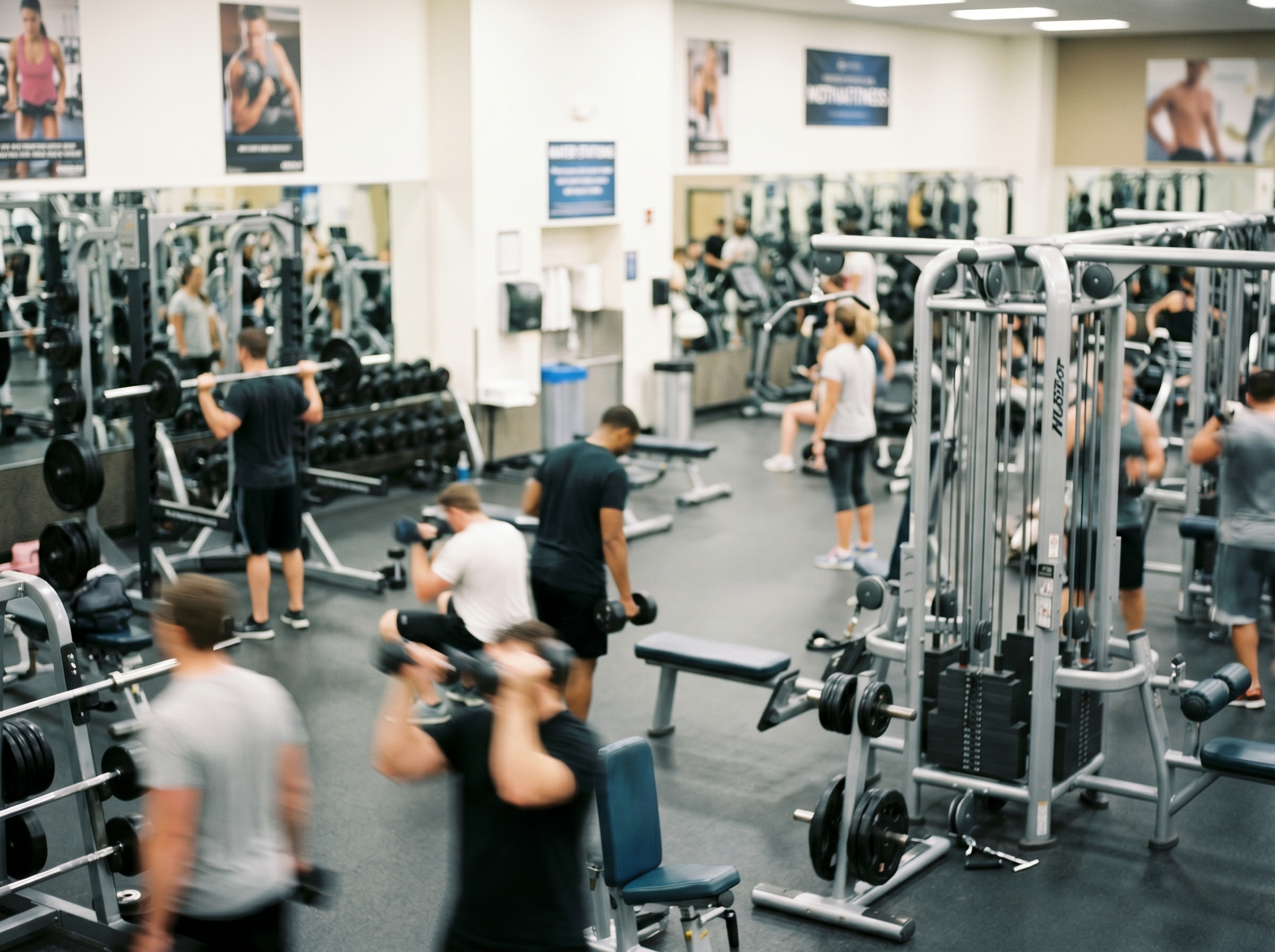
Vannoni © 2026
When most people think about exercise for heart health, they picture a treadmill, a long walk through the park, or maybe a spin class. Cardio has been the centerpiece of heart-healthy exercise advice for decades, and for good reason. But there is a second pillar of fitness that doesn't get nearly the attention it deserves, and the science behind it keeps getting stronger.
I'm talking about strength training. Lifting weights. Resistance exercise. Whatever you want to call it. And as a cardiologist, I think it's time more of my patients take it seriously.
What Is Cardiology’s Case for Building Muscle?
For years, the conversation in preventive cardiology focused almost exclusively on aerobic exercise. Run, walk, swim, bike. Get your heart rate up and keep it there. That advice was always sound, and it remains essential. But a growing body of research now shows that strength training offers its own independent cardiovascular benefits that aerobic exercise alone doesn't fully provide.
Bespoke Concierge Medical Care
Madison Avenue Concierge Medicine
A 2023 scientific statement from the American Heart Association, published in Circulation, reviewed the accumulated evidence and concluded that resistance training has favorable effects on multiple cardiovascular disease risk factors. It can lower blood pressure, improve cholesterol profiles, reduce body fat, improve insulin sensitivity, and decrease chronic inflammation. For patients with existing heart disease, the AHA confirmed that resistance training is both safe and beneficial when performed appropriately.
A separate systematic review and meta-analysis published in the American Journal of Preventive Medicine found that any amount of resistance training was associated with a 15 percent reduction in all-cause mortality and a 17 percent reduction in cardiovascular mortality compared to doing none at all. Another large meta-analysis published in the British Journal of Sports Medicine in 2022 examined cohort studies involving hundreds of thousands of adults and reached a similar conclusion: muscle-strengthening activities are associated with lower risk of death from major noncommunicable diseases, including heart disease.
These are not small or marginal effects. And they appear to be largely independent of aerobic exercise, meaning that the benefits of strength training stack on top of whatever cardio you're already doing.
Why Does Muscle Mass Matter as You Age?
Here is something I discuss with patients regularly, especially those over 50. Starting in your 30s, your body begins losing muscle mass at a rate of roughly 3 to 8 percent per decade, a process that accelerates after age 60. This age-related muscle loss, called sarcopenia, isn't just a cosmetic issue. It has direct implications for your cardiovascular health and your ability to live independently.
Muscle tissue is metabolically active. It helps regulate blood sugar by absorbing glucose from your bloodstream, it supports healthy cholesterol metabolism, and it contributes to keeping your resting metabolic rate from declining as you age. When you lose muscle, your body becomes less efficient at managing all of these processes, which raises your risk for type 2 diabetes, metabolic syndrome, and ultimately heart disease.
Power Up & Join Madison Avenue Concierge Medicine
Access highly personalized premium medical and wellness care by coming to Madison Avenue Cardiovascular & Concierge Medicine in Midtown, Manhattan. Dr. Mark Meyer offers the most elite, private and bespoke concierge medicine program in New York. Exquisitely personal, our medical values are solidly established within a traditional physician-patient relationship. Hence, every patient becomes part of our family.
Book Your Appointment Today
Strength training is the most effective intervention we have for slowing and even reversing sarcopenia. It also builds bone density, which reduces fracture risk, and improves balance and coordination, which helps prevent falls. For older adults, a fall can trigger a cascade of complications, from hospitalization to prolonged immobility to cardiovascular events. Keeping your muscles strong is one of the best ways to stay out of the hospital.
Another factor, should it apply, is that in studies of people losing weight on GLP-1 medications such as semaglutide and tirzepatide, roughly 20–40% of total weight lost can come from lean mass, including pure muscle.
Do You Need to Become a Bodybuilder?
One of the biggest misconceptions I encounter is that strength training means spending hours in a weight room doing complicated routines. It doesn't. The current guidelines from both the American Heart Association and the U.S. Department of Health and Human Services recommend muscle-strengthening activities targeting all major muscle groups at least two days per week. That's the minimum. And for many people, especially those just starting out, two sessions of 20 to 30 minutes each can produce meaningful results.
Research suggests that the most efficient approach is to focus on compound movements, exercises that work multiple joints and muscle groups at the same time. A handful of foundational exercises can cover most of what you need. Think squats or lunges for your legs, a pushing movement like a chest press for your upper body, a pulling movement like a row for your back, and something for your core. If those were the only exercises you did twice a week, you would be covering the major muscle groups and building real, functional strength.
You don't need a gym membership to get started, either. Bodyweight exercises like squats, pushups, and lunges require no equipment at all. Resistance bands are inexpensive, portable, and surprisingly effective. Dumbbells are a modest one-time investment that opens up a wide range of exercises you can do at home. The barriers to entry are lower than most people assume.
The key variables are effort and consistency. Exercise scientists emphasize that the single most important factor in building strength is training close to the point where your muscles feel genuinely fatigued by the end of a set. You don't need to lift heavy weights. You need to work hard enough that the last few repetitions feel challenging. Whether you accomplish that with a 5-pound dumbbell or a 50-pound barbell matters less than the effort you bring to the movement.
Premium Medicine
We pride ourselves to consider all preventative care and longevity at the root of all clinical plans of action. Our office has state of the art equipment and technology for providing the best medical care with precision, covering all types of conditions including the most complex ones in cardiology and internal medicine.
Give Us A Call If You Have Questions
What Critical Point Might We Miss? Cardio Still Comes First
I want to be clear about something, because I never want a patient to walk away thinking they can skip their walks or their cycling in favor of picking up a dumbbell. Aerobic exercise remains the single most important type of physical activity for cardiovascular health. The evidence behind it is massive and unambiguous.
Regular cardio strengthens the heart muscle itself, improves the flexibility of your blood vessels, lowers resting heart rate and blood pressure, enhances circulation, and reduces systemic inflammation. A major overview of meta-analyses published in the British Journal of Sports Medicine in 2024 confirmed that cardiorespiratory fitness is one of the strongest and most consistent predictors of morbidity and mortality among adults, stronger even than many traditional risk factors like cholesterol and blood pressure.
The AHA's recommendation of at least 150 minutes per week of moderate-intensity aerobic exercise (or 75 minutes of vigorous exercise) is grounded in decades of data, and meeting that threshold should be every patient's first priority. Strength training is the essential complement, not the replacement.
The patients who do best in my practice are the ones who do both. They walk or cycle or swim for their heart and lungs, and they lift something heavy (or at least challenging) twice a week for their muscles and bones. That combination covers virtually every major pathway through which exercise protects you from cardiovascular disease.
Our Concierge Medicine Services:
At Madison Avenue Cardiovascular & Concierge Medicine, Dr. Mark Meyer offers the most exclusive medical care through premier membership to our concierge medicine services, including:
Personal Doctor
Preferred Appointment Times
24/7 Urgent Care
Own Network of Renowned Specialists
VIP Experience
Executive Annual Physical
Full Body MRI Screening
GeneticsScreening
The Meyer Nutrition PlanIncluded
How Can I Get Started Building Strength Safely?
If you've never done strength training before, or if it's been years since you picked up a weight, here are a few practical suggestions I give my patients.
Start lighter than you think you need to. Your muscles will adapt quickly, but your tendons, ligaments, and joints take longer. Give them time. Use the first two to three weeks to learn the movements and build confidence before you start increasing the resistance.
Prioritize form over weight. A perfectly executed squat with no weight at all is more valuable than a sloppy one with a heavy barbell. If you're unsure about technique, even one or two sessions with a qualified trainer can make a real difference. Many gyms offer introductory sessions at no cost.
Rest between sets. Take 60 to 90 seconds between sets to let your muscles recover. There is no rush. Resistance training is not meant to feel like a cardio workout, and trying to move too fast increases your injury risk without improving your results.
Breathe. This sounds obvious, but many beginners hold their breath during exertion, which can cause a sharp spike in blood pressure. Exhale during the effort phase of each movement and inhale during the return.
And finally, talk to your doctor before starting, especially if you have existing heart disease, uncontrolled high blood pressure, or other chronic conditions. For most patients, strength training is safe and beneficial, but your cardiologist can help you determine the right starting point and any precautions to keep in mind.
Strength training is no longer optional if you care about your long-term cardiovascular health. The research is clear: it reduces your risk of heart disease, improves metabolic health, protects against age-related muscle and bone loss, and adds an independent survival benefit on top of aerobic exercise.
You don't need to train like an athlete. You need to challenge your muscles consistently, twice a week, with movements that target the major muscle groups. Combined with regular cardio and a heart-healthy diet, it's one of the most powerful things you can do for your body as you age.
Your heart needs more than just a good run. It needs strong muscles to support it.
Sources
Paluch AE, Boyer WR, Franklin BA, et al. "Resistance Exercise Training in Individuals With and Without Cardiovascular Disease: 2023 Update: A Scientific Statement From the American Heart Association." Circulation. 2024;149(3):e217-e231. https://pubmed.ncbi.nlm.nih.gov/38059362/
Shailendra P, Baldock KL, Li LSK, Bennie JA, Boyle T. "Resistance Training and Mortality Risk: A Systematic Review and Meta-Analysis." American Journal of Preventive Medicine. 2022;63(2):277-285. https://pubmed.ncbi.nlm.nih.gov/35599175/
Momma H, Kawakami R, Honda T, Sawada SS. "Muscle-Strengthening Activities Are Associated With Lower Risk and Mortality in Major Non-Communicable Diseases: A Systematic Review and Meta-Analysis of Cohort Studies." British Journal of Sports Medicine. 2022;56(13):755-763. https://pubmed.ncbi.nlm.nih.gov/35228201/
Saeidifard F, Medina-Inojosa JR, West CP, et al. "The Association of Resistance Training With Mortality: A Systematic Review and Meta-Analysis." European Journal of Preventive Cardiology. 2019;26(15):1647-1665. https://pubmed.ncbi.nlm.nih.gov/31104484/
Lang JJ, Prince SA, Merucci K, et al. "Cardiorespiratory Fitness Is a Strong and Consistent Predictor of Morbidity and Mortality Among Adults: An Overview of Meta-Analyses." British Journal of Sports Medicine. 2024;58(10):556-566. https://pmc.ncbi.nlm.nih.gov/articles/PMC11103301/
Shailendra P, Baldock KL, Li LSK, et al. "Weight Training and Risk of All-Cause, Cardiovascular Disease and Cancer Mortality Among Older Adults." International Journal of Epidemiology. 2024;53(3):dyae074. https://pmc.ncbi.nlm.nih.gov/articles/PMC11147802/
American Heart Association. "Recommendations for Physical Activity in Adults and Kids." https://www.heart.org/en/healthy-living/fitness/fitness-basics/aha-recs-for-physical-activity-in-adults
Mayo Clinic. "Strength Training: Get Stronger, Leaner, Healthier." https://www.mayoclinic.org/healthy-lifestyle/fitness/in-depth/strength-training/art-20046670
"How to Get Strong." The New York Times. https://www.nytimes.com/article/how-to-build-muscle-strength.html