
What I'm Reading: Three New Studies Every Heart Patient Should Know About
© 2026 Vannoni
Part of my job as a cardiologist and owner of a concierge medicine practice in Midtown Manhattan is reading volumes of medical literature so my patients do not have to. Some months there is nothing much worth reporting. Other months, several studies land in a row that meaningfully change how I think about a topic. Recently there have been three that are worth passing along, on subjects as different as brain shrinkage, depression, and how much walking actually protects you if you have atrial fibrillation.
Here is a short summary of each, why it matters, and what you might do with the information.
CanYour Heart's Pumping Strength Influence Your Brain?
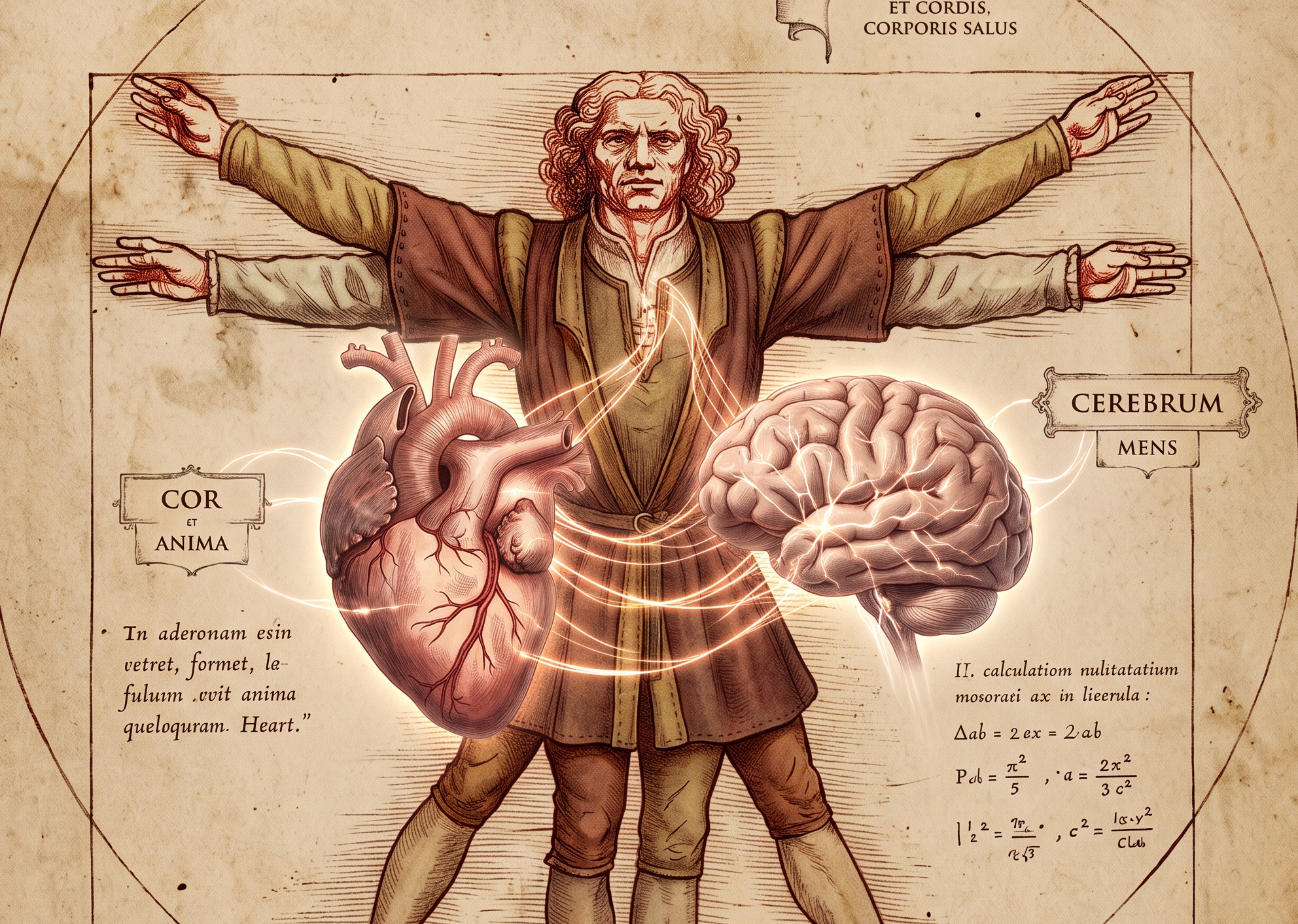
A study published in Alzheimer's and Dementia, the journal of the Alzheimer's Association, found that people whose hearts pump blood less efficiently tend to have brains that shrink faster. The effect was strongest in people who carry a genetic variant called APOE-ε4, which is the most well-established genetic risk factor for late-onset Alzheimer's disease.
Researchers used MRI scans to measure both cardiac output, a standard measure of how much blood your heart moves per minute, and brain volume over time. Among APOE-ε4 carriers, those with lower cardiac output showed accelerated shrinkage of the brain. Among people without the gene variant, the effect was smaller.
Why does this matter? For years we have talked about the vascular contribution to dementia in general terms, mostly around blood pressure and stroke. This study adds a more granular piece of the puzzle. The heart's ability to deliver adequate blood flow to the brain may be a modifiable factor in dementia risk, particularly for genetically predisposed patients.
The practical takeaway is not that everyone needs to run out and get their APOE genotype tested. It is that the standard levers of heart health, controlling blood pressure, staying aerobically fit, treating sleep apnea, managing cholesterol, and avoiding tobacco, may protect your brain as well as your heart, especially if Alzheimer's runs in your family. In my practice, this is another reason I pay close attention to cardiac function in patients with a family history of dementia.
Book an appointment with Dr. Meyer to discuss how
your workouts may be affecting your blood pressure.
Is Persistent Depression a Cardiac Risk Factor?
The second study, published in the journal Psychiatry Research, followed thousands of older adults across multiple long-running cohorts and tracked their patterns of depressive symptoms over years. The researchers wanted to answer a specific question: is it any depression, or specifically persistent depression, that raises cardiac risk?
The answer was clear. People who had brief or intermittent depressive symptoms did not show a meaningfully higher risk of new heart disease over the follow-up period. People whose depressive symptoms persisted for years had a significantly elevated risk of developing congestive heart failure, angina, coronary heart disease, and heart attack.
This lines up with what we have long suspected biologically. Chronic depression is associated with elevated stress hormones, higher inflammatory markers, poorer sleep, reduced physical activity, and less consistent adherence to cardiac medications. Over time, all of that adds up in the arteries.
What this changes in practice is my threshold for asking about mood, and for involving a mental health colleague when depressive symptoms have been present for months or years rather than weeks. The good news is that treatment works. Talk therapy, medication, exercise, and social connection all have solid evidence for reducing depressive symptoms, and there is growing evidence that treating depression well may translate into cardiovascular benefit down the line. If you have been sitting with a heavy mood for a long stretch, please mention it. It is a cardiac issue as much as a psychological one.
Our Concierge Medicine Services:
At Madison Avenue Cardiovascular & Concierge Medicine, Dr. Mark Meyer offers the most exclusive medical care through premier membership to our concierge medicine services, including:
Personal Doctor
Preferred Appointment Times
24/7Urgent Care
Own Networkof RenownedSpecialists
VIP Experience
Executive AnnualPhysical
Full Body MRI Screening
GeneticsScreening
The MeyerNutrition PlanIncluded
Will Even a Little Movement Help If You Have Atrial Fibrillation?
The third study, published in the Journal of the American Heart Association, looked at more than 87,000 adults and asked a deceptively simple question: does physical activity reduce stroke risk in people with atrial fibrillation, and if so, how much movement is enough?
Atrial fibrillation is the most common sustained heart rhythm disturbance I see in clinic, and its most feared complication is stroke. Blood thinners help, but patients often ask whether there is anything else they can do. This study suggests that the answer is yes.
Compared with sedentary adults, those with light activity levels were 9 percent less likely to have a stroke. Moderate and high activity cut stroke risk by close to 20 percent. Being active was also tied to an 11 to 22 percent drop in death from any cause. Importantly, the benefits held whether or not participants had atrial fibrillation, which means AFib is not a reason to sit still.
Light activity in this study did not mean punishing gym sessions. It looked like walking to your morning coffee, taking the stairs instead of the elevator in your Midtown office building, or a leisurely loop around the Central Park reservoir. The bar is genuinely low, and the payoff is meaningful.
Is There A Common Thread?
Three different studies, three different corners of medicine, but the same underlying message. Cardiovascular health is not a siloed problem. Your heart shares fate with your brain, your mood, and your long-term risk of stroke. The interventions that matter most, moving more, treating depression seriously, managing blood pressure, and staying engaged with a doctor who knows your history, remain the ones we have known about for years. What is new is a growing body of evidence telling us exactly how much they matter and in which patients.
If any of these findings resonate with you, whether you have a family history of Alzheimer's, have been quietly struggling with your mood, or have been putting off exercise because of AFib, please bring it up at your next visit. That is exactly the kind of conversation a good concierge cardiology relationship is built on.
Sources
Heart Problems Linked to Brain Shrinkage Among People With Genetic Risk for Alzheimer's (HealthDay)
Cardiac Output, APOE-ε4, and Brain Atrophy (Alzheimer's and Dementia, 2026)
Persistent Depressive Symptoms Linked With Risk for Heart Disease (Psychiatry Advisor)
Even Light Exercise May Lower Stroke Risk for People With AFib (HealthDay)
American Heart Association: Atrial Fibrillation and Stroke Prevention
Alzheimer's Association: Cardiovascular Risk Factors and Dementia
